Food Courses
Food courses can help you learn culinary techniques, nutrition basics, food safety practices, and meal planning strategies. You can build skills in flavor pairing, ingredient sourcing, and dietary adjustments for various health needs. Many courses introduce tools like kitchen equipment, recipe management software, and food photography techniques, connecting these skills to practical applications in home cooking, meal prep, and even food blogging.
Popular Food Courses and Certifications
 Status: Preview
Università Bocconi
Skills you'll gain: Food and Beverage, Hospitality Management, Restaurant Management, Product Quality (QA/QC), Global Marketing, Market Dynamics, Business Strategy, Consumer Behaviour, Value Propositions, Competitive Analysis, Brand Management, Growth Strategies, Marketing
 Status: Preview
Stanford University
Skills you'll gain: Cooking, Meal Planning And Preparation, Health Promotion, Health Education, Nutrition and Diet, Public Health, Behavior Management, Cultural Diversity, Health Informatics, Chronic Diseases
 Status: Preview
The Hong Kong University of Science and Technology
Skills you'll gain: Cooking, Food and Beverage, Nutrition and Diet, Meal Planning And Preparation, Biochemistry, Aesthetics, Color Theory, Chemistry, Physiology, Physics, Psychology
 Status: Free Trial
University of Illinois Urbana-Champaign
Skills you'll gain: Good Manufacturing Practices, Nutrition and Diet, Regulatory Affairs, Safety Standards
 Status: Free Trial
Stanford University
Skills you'll gain: Food and Beverage, Cooking, Sustainable Development, Nutrition and Diet, Cultural Diversity, Meal Planning And Preparation, Environment, Water Sustainability, Sustainability Standards, Compassion, Sustainable Technologies, Resourcefulness, Mindfulness, Climate Change Mitigation, Waste Minimization, Adaptability, Environmental Science, Behavioral Health, Self-Awareness, Pollution Prevention
 Status: NewStatus: Free Trial
University of Illinois Urbana-Champaign
Skills you'll gain: Health Equity, Health Disparities, Social Determinants Of Health, Nutrition and Diet, Good Manufacturing Practices, Food Quality Assurance And Control, Nutrition Education, AI Personalization, Food Safety and Sanitation, Policy Development, Clinical Nutrition, Regulatory Affairs, Public Health, Regulatory Compliance, Health Policy, Health Informatics, Advocacy, Health Assessment, Health Technology, Microbiology
What brings you to Coursera today?
 Status: Preview
The State University of New York
Skills you'll gain: Bartending, Cooking, Hospitality, Planning, Meal Planning And Preparation, Verbal Communication Skills, Oral Expression, Strategic Planning
 Status: Free Trial
University of Illinois Urbana-Champaign
Skills you'll gain: Land Management, Risk Management, Real Estate, Legal Risk, Water Resource Management, Balance Sheet, Food and Beverage, Supply Chain, Environmental Social And Corporate Governance (ESG), Investments, Food Quality Assurance And Control, Risk Mitigation, Business Risk Management, Transportation, Supply Chain, and Logistics, Supply Chain Systems, Asset Management, Financial Analysis, Decision Making, Supply Chain Management, Consumer Behaviour
 Status: Preview
National Taiwan University
Skills you'll gain: Nutrition and Diet, Food Quality Assurance And Control, Food Safety and Sanitation, Pharmacology, Laboratory Testing, Environmental Science, Safety Standards, Biochemistry, Hazard Analysis, Pollution Prevention, Risk Analysis
 Status: Free Trial
Stanford University
Skills you'll gain: Cooking, Nutrition and Diet, Meal Planning And Preparation, Resourcefulness, Food and Beverage, Adaptability, Creativity
 Status: Free
Princeton University
Skills you'll gain: Health Disparities, Food and Beverage, Social Justice, Ethical Standards And Conduct, Nutrition and Diet, Sustainability Standards, International Relations, Environmental Issue, Policy Analysis, Sustainable Development, Cultural Diversity
 Status: Free Trial
University of California, Davis
Skills you'll gain: Experimentation, Product Testing, Laboratory Testing, Food Quality Assurance And Control, Laboratory Experience, Food and Beverage, Consumer Behaviour, Scientific Methods, Systems Of Measurement, Case Studies, Quality Assurance, Physiology, Research Design, Science and Research, Statistical Analysis, Nutrition and Diet, Target Market, Human Factors, Anatomy, Product Development
In summary, here are 10 of our most popular food courses
- Food & Beverage Management: Università Bocconi
- Stanford Introduction to Food and Health: Stanford University
- The Science of Gastronomy: The Hong Kong University of Science and Technology
- Understanding Food Regulations & Food Labeling: University of Illinois Urbana-Champaign
- Food Sustainability, Mindful Eating, and Healthy Cooking: Stanford University
- Personalized Nutrition, Policy, and Food Regulations: University of Illinois Urbana-Champaign
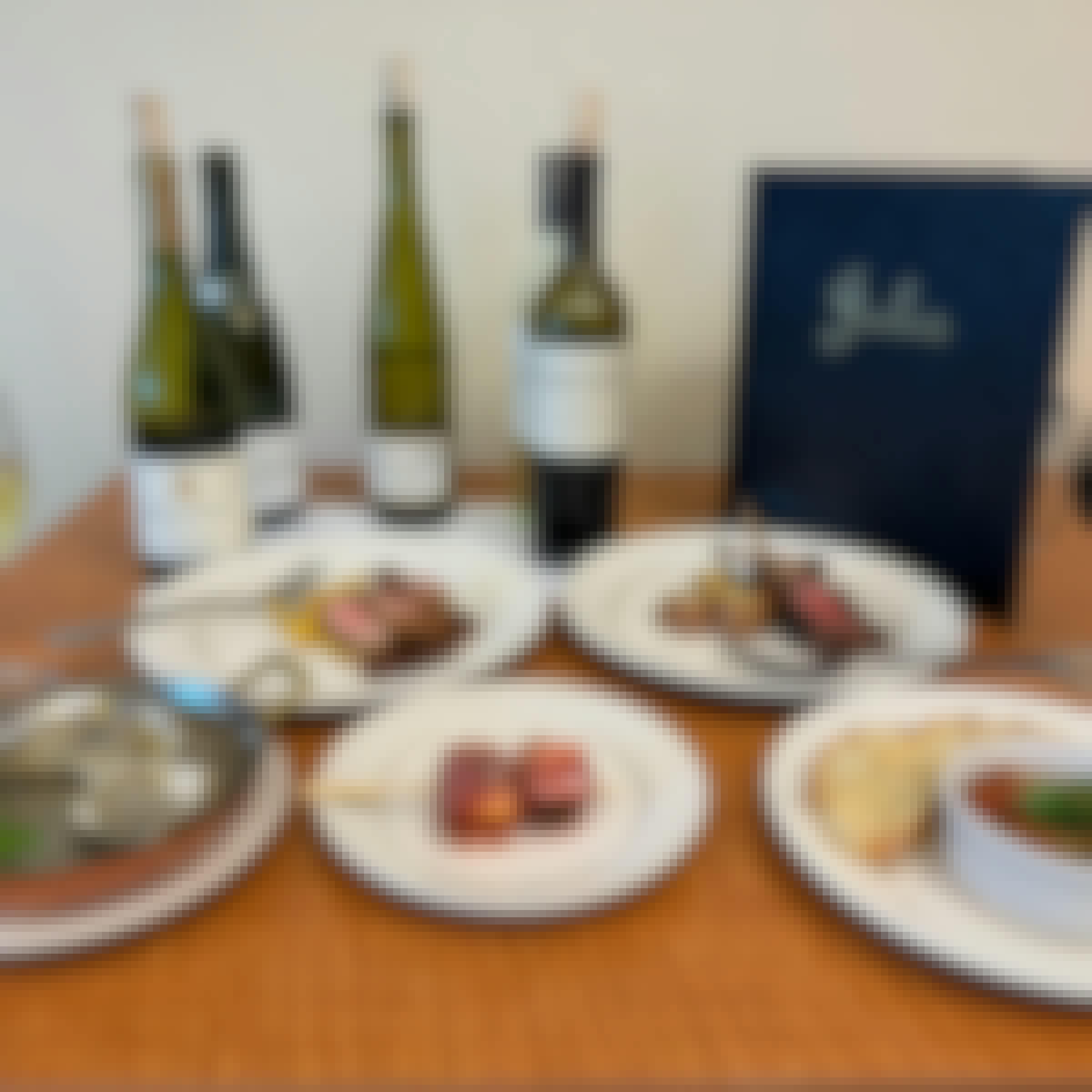
- Food and Wine Pairing: The State University of New York
- Agribusiness and Sustainable Food Production Economics: University of Illinois Urbana-Champaign
- 食品安全與毒理 (Food Safety & Toxicology): National Taiwan University
- Cooking for Busy Healthy People: Stanford University










